
I’m trying to understand and explore how we connect words with the landscape in order to better understand how to help the landscape by communicating thoughts and emotions more effectively. From my role as a graphic designer I can create and theorise around visual communication and there are plenty of artists mixing language and image-making but when immersed in a landscape, on site, or looking at an image of a landscape, how can words combine with the emotive image to communicate thoughts, facts and imbue more personal knowledge and understanding.
While everyone is a stakeholder in our landscape there are different directions or ways into this pattern of design thinking by considering forms of stakeholders.
- The creatives: those who work with the landscape, poets and writers, who have produced texts that tie directly to specific landscapes. Exploring their own handwritten notes, written in the field —directly in the fields in the case of Hedd Wynn— or typographic interpretations of their creative materials.
- The visitor: coming for a personal reason but then able to leave their own thoughts about the landscape. Not words that are posted on social media to simply disappear into the digital ether but are somehow placed into the landscape they visited for other stakeholders to see and understand. Those other stakeholders may ask the visitor to leave those words in forms they can utilise to help with their role in that landscape.
- The owners: those who live within the landscape and have a direct stake-holding in that landscape.
These are not exclusive but mix with place and person, the Welsh poet Hedd Wynn farmed the land and at times hid his poetry within it. A National Park looks after the visitors to the landscape and those who live within that landscape, of which the latter group is likely to include many of the Park’s staff.
There is then a discussion to be had by myself as to in what role am I acting?
Testing the boundary between the designer with a brief for a specific communication within a place, or as an artist using words to explore understanding of place. But am I also a stakeholder with inherent ties to that place.
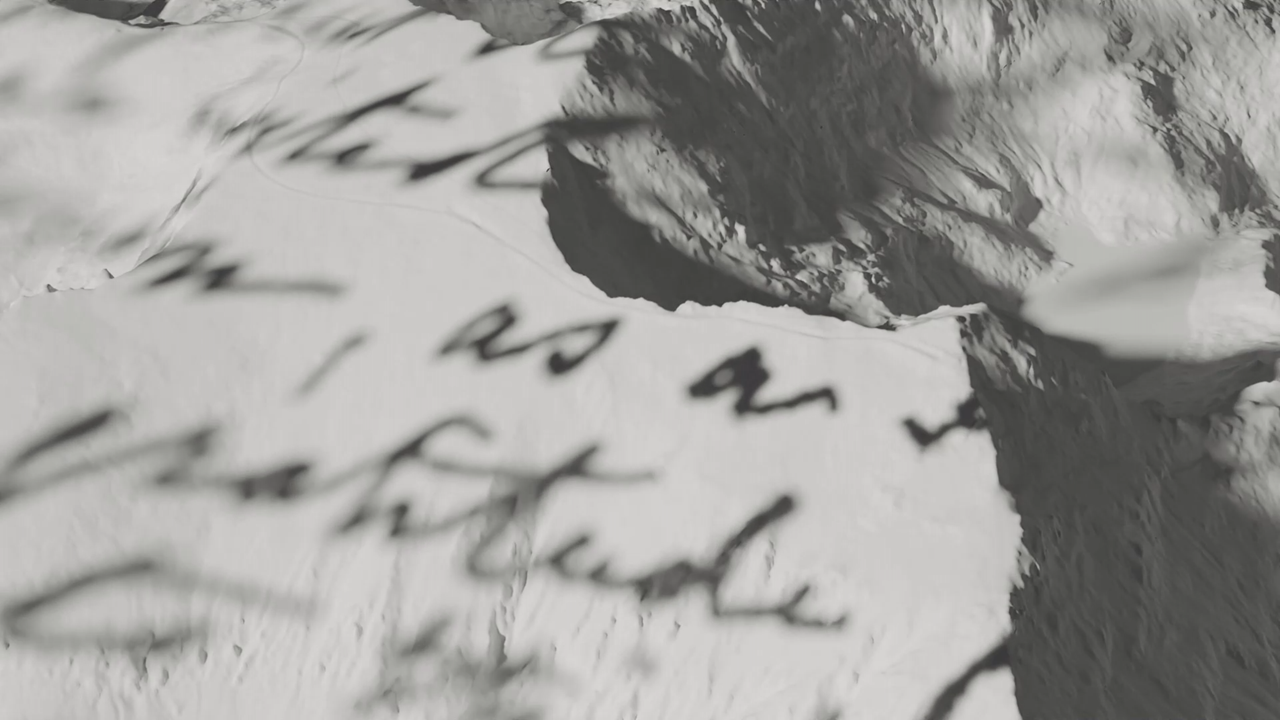
Working with Yr Wyddfa and Retracing Footsteps I am the designer exploring a brief that involves the visitor and the owner. But within this role there is my own inherent views of the landscape of Eryri, the effect of visitors and my interest in the natural environment. This work is helping me form design thinking and ask more questions of and through practise.
- How to collect words from stakeholders in the landscape
- How to use the words of creatives who have written about the landscape
- How to place words back in the landscape in physical and digital forms
- How to interpret words typographically,
- Embedding the words and the author in the landscape by using the original handwritten forms.
- Exploring typographic forms that fit the landscape and the stakeholder
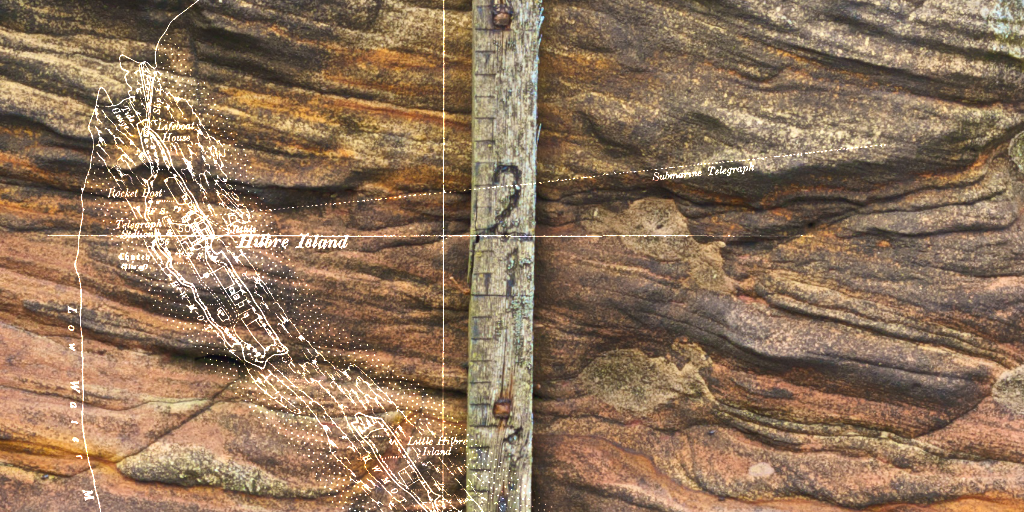
Hilbre offers me a chance to develop personal practices through my role as an owner and a creative in that landscape. This is one where I need to explore practise without a direct brief other than that of my own relationship with the flora and fauna of the islands and the visual communication artefacts I conceive. This might or might not include the community of stakeholders working with the islands.